
Eco City
Date :
2012
Place :Research
Project :Jean Marc Schivo & Lucilla Revelli
Scientific partner :C.I.T.E.R.A. – Sapienza University, Rome

Earthcity resilient ecodistrict
Earth City – Eco city system is an innovative instrument for public authorities, governments and private investors willing to pursue a strongly articulated strategy of urban sustainable planning based on acquired data and achievable in a short time.
Due to its innovative features, the project was selected to participate in three Ecocity World Summit in Nantes 2013, Abu Dhabi 2015 and Melbourne 2017.
Adaptability and balance
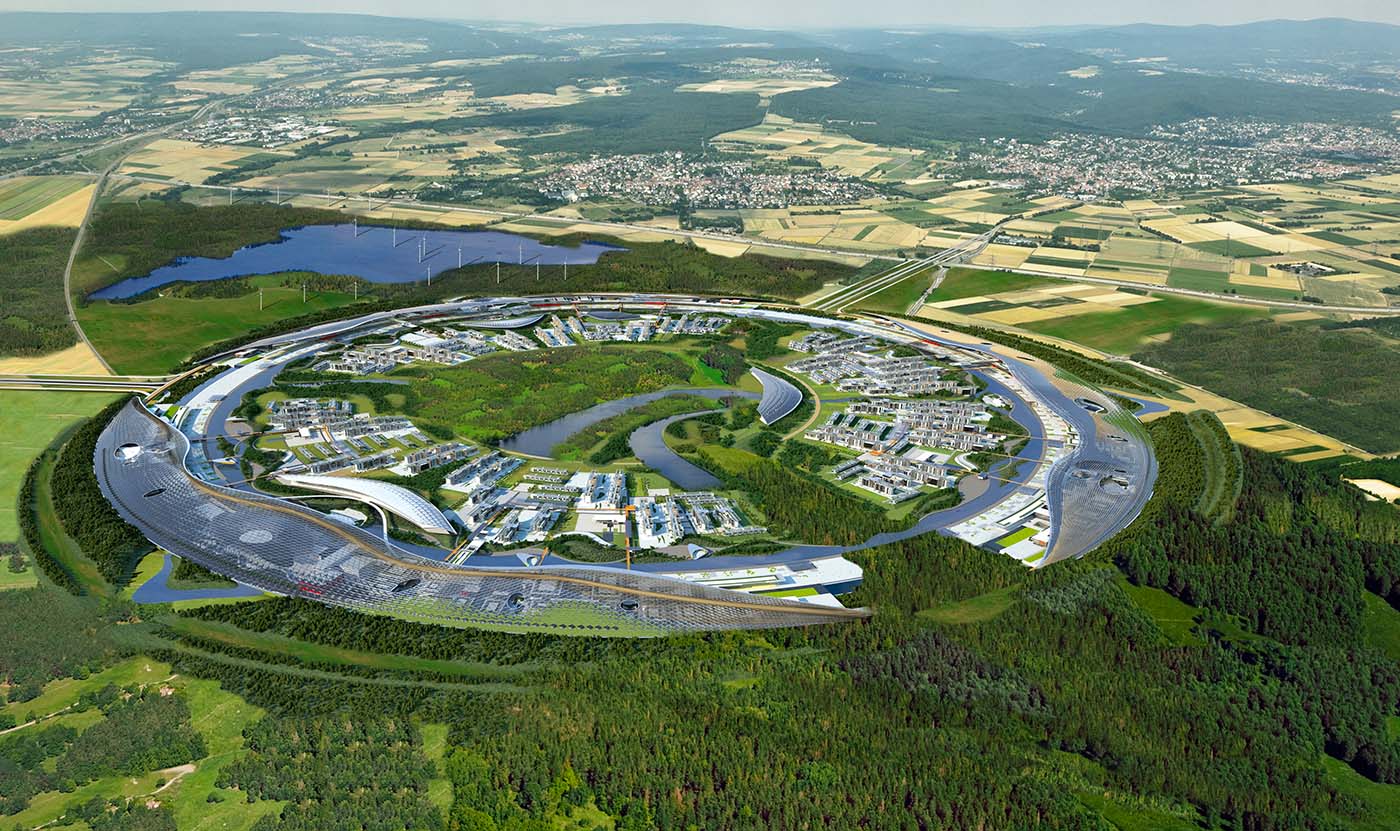
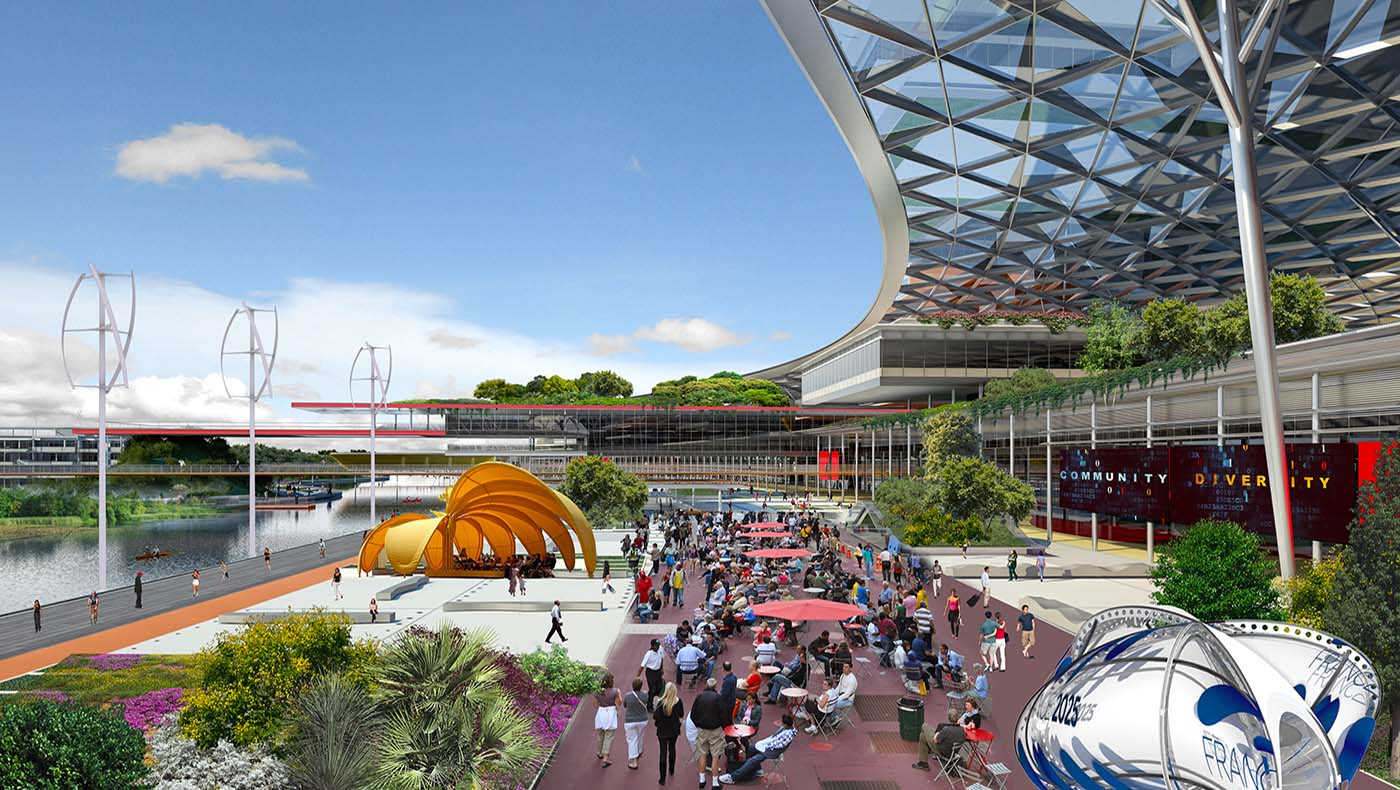
Earth City – Eco city system establishes a balance with natural environment since it respects the local climate and the geographic and cultural characteristics alike. It has rigorous size limits offering an optimal ratio between the built-up areas and the public spaces that are defined by the structure of mixed-use urban blocks. It consists of a limited number of strictly correlated blocks but can be adapted to wider and higher complexity contexts.
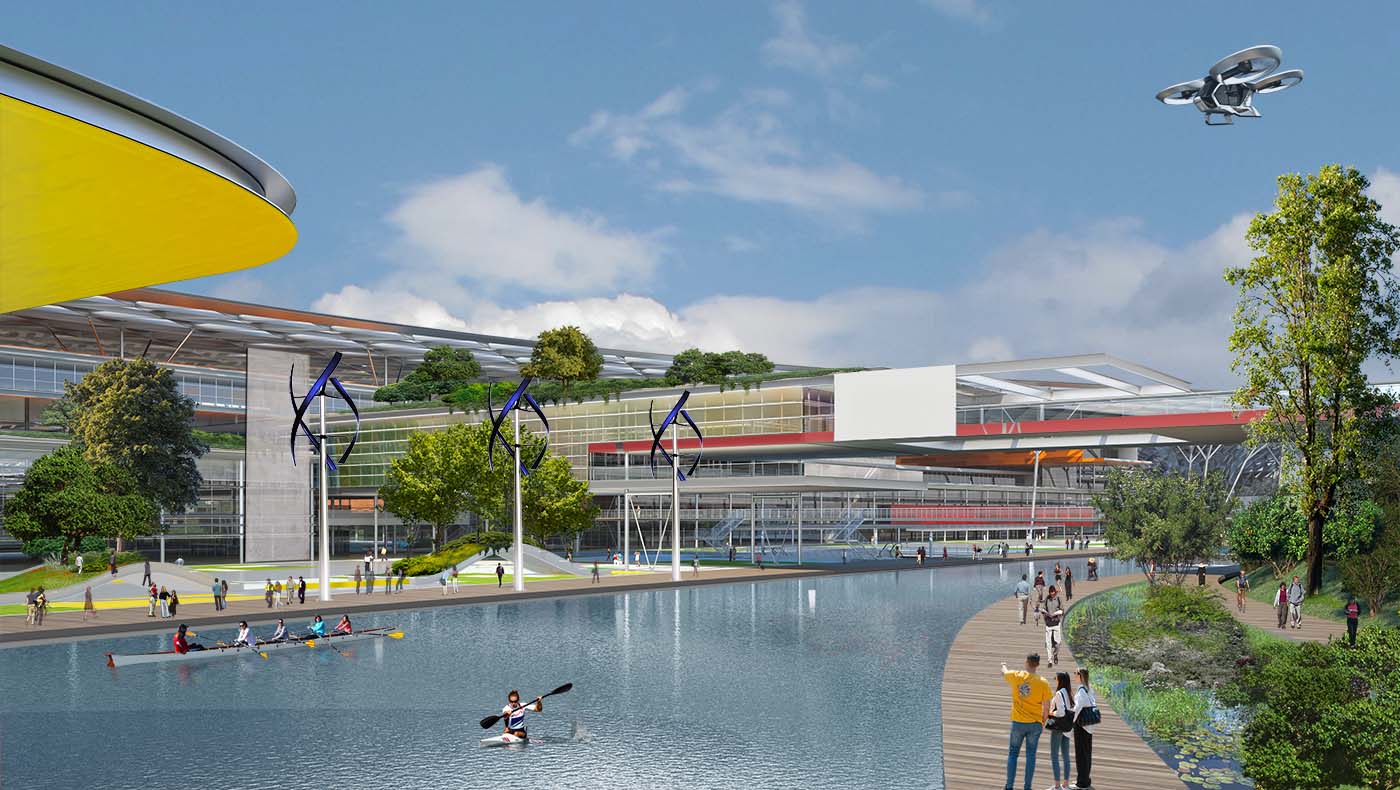
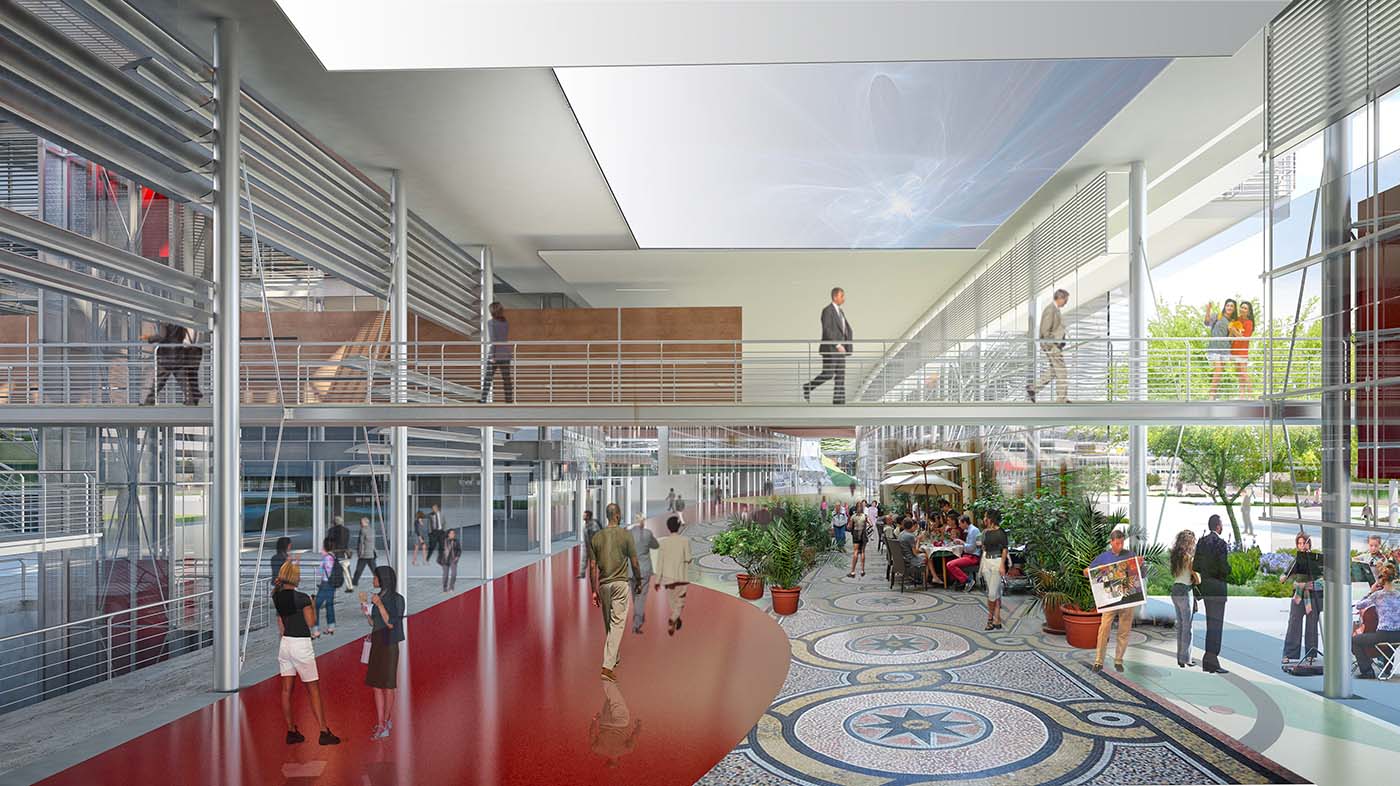
The optimal density of built-up areas enhances a rich network of relationships of proximity so that residents live in a totally pedestrian area where the electrical car sharing is encouraged and supported by an efficient network of public transports for longer distances.




Sustainability
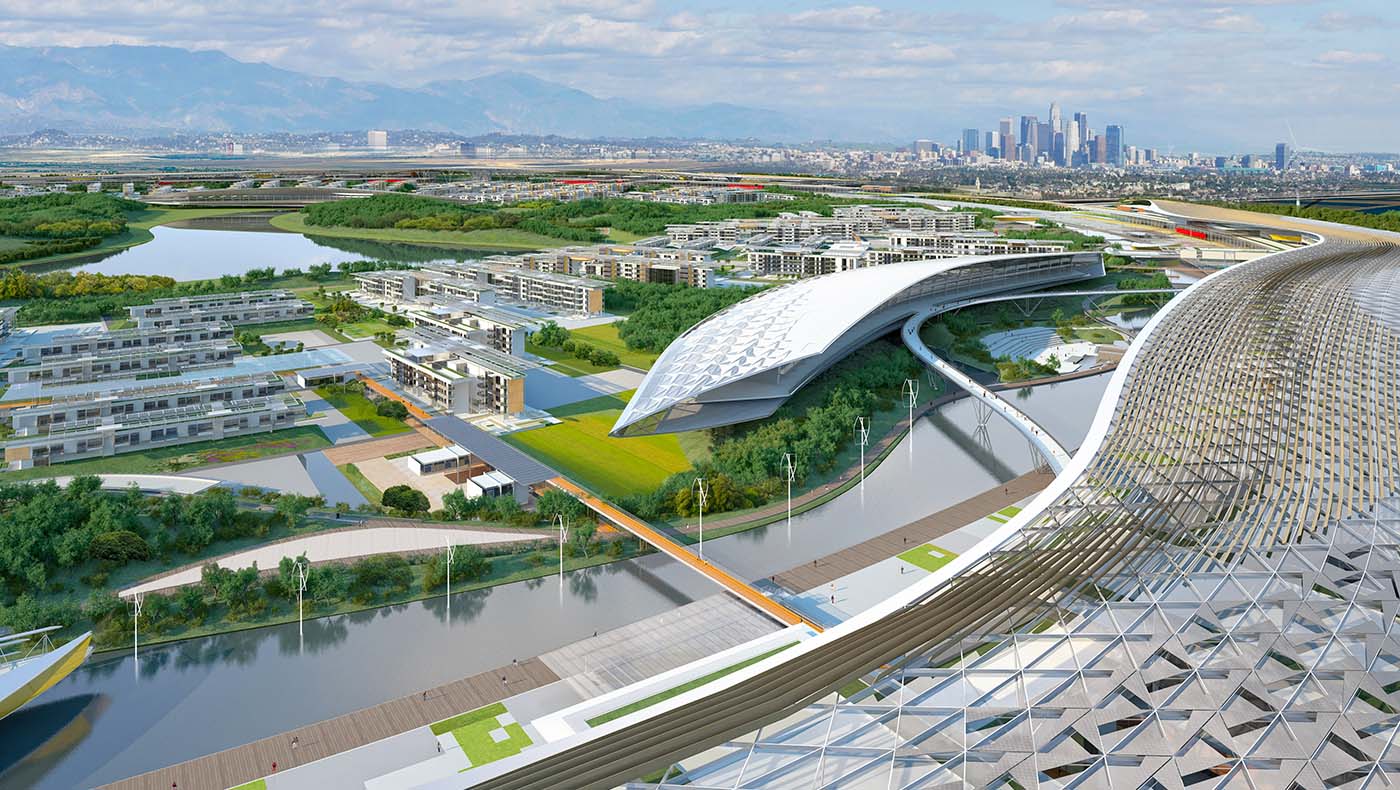
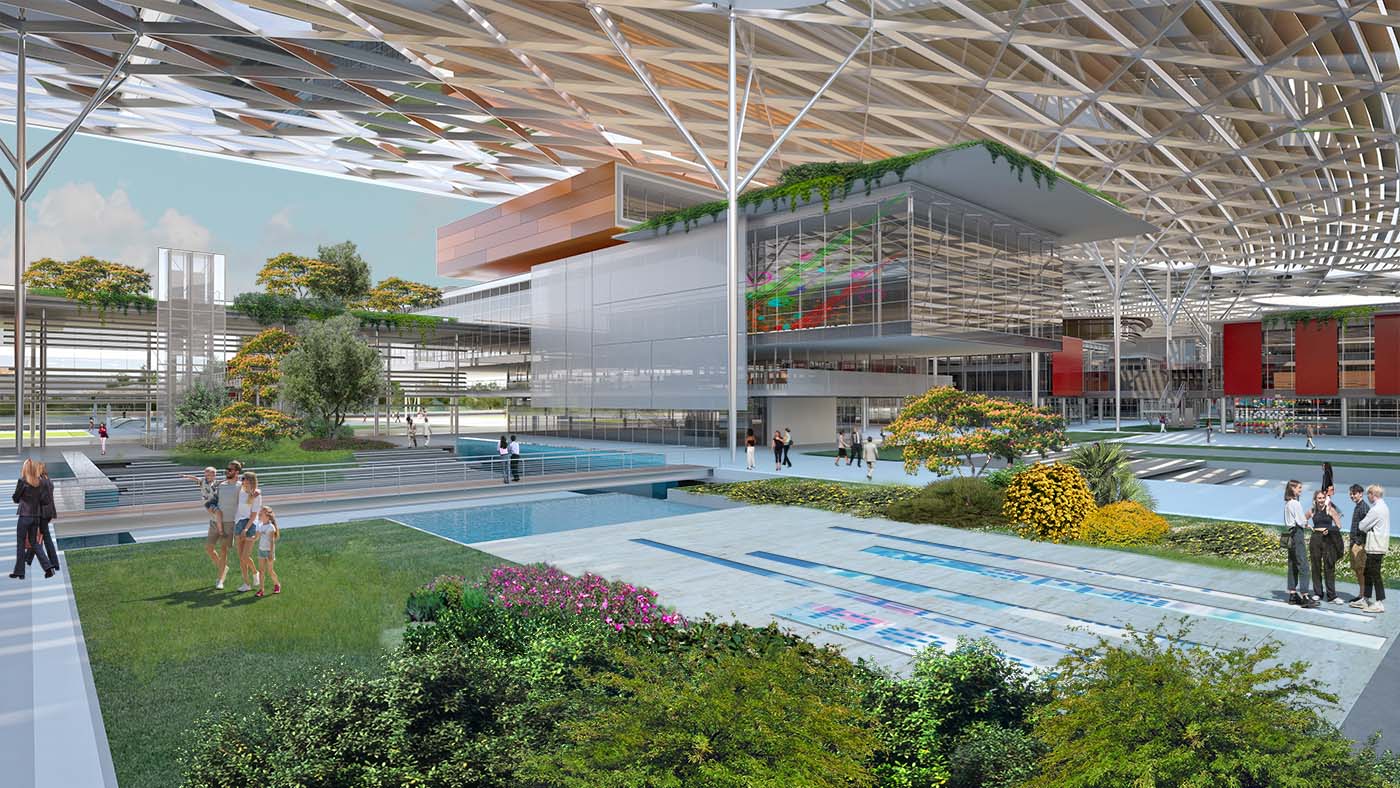
The Earth City sustainability policies mainly aim at creating an urban environment with minimal consumption of natural resources, preserving the local biodiversity thanks to its ‘green heart’ that covers 40% of the whole area and ensures productive and water reserves.
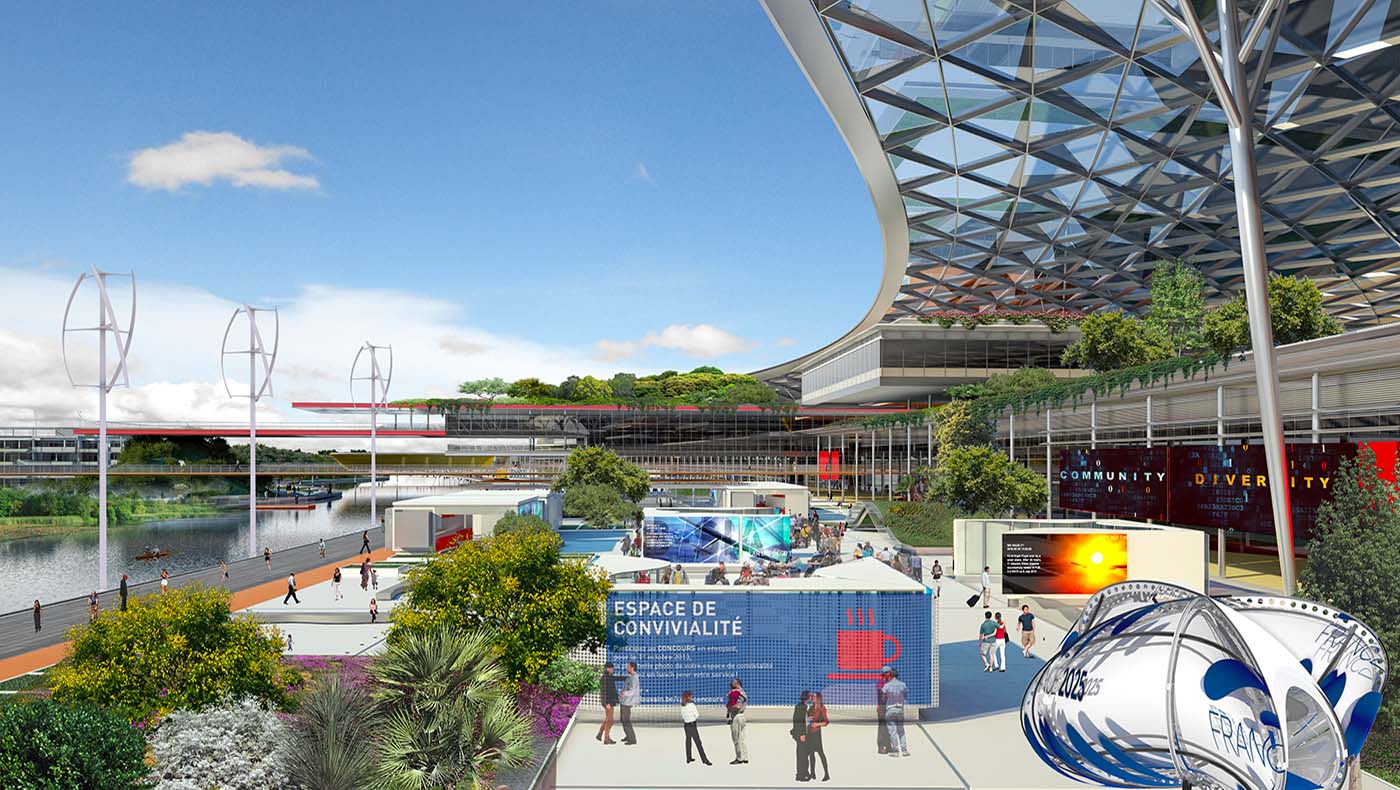
Moreover, the integration of natural elements into a ‘nervous system’ of intelligent technological networks with minimal consumption of resources, maximizes the Earth City system sustainability since it exploits energy in an efficient and effective manner according to the principle of ‘just – in – time’ use, that is energy use when and where is needed.


A positive energy roof
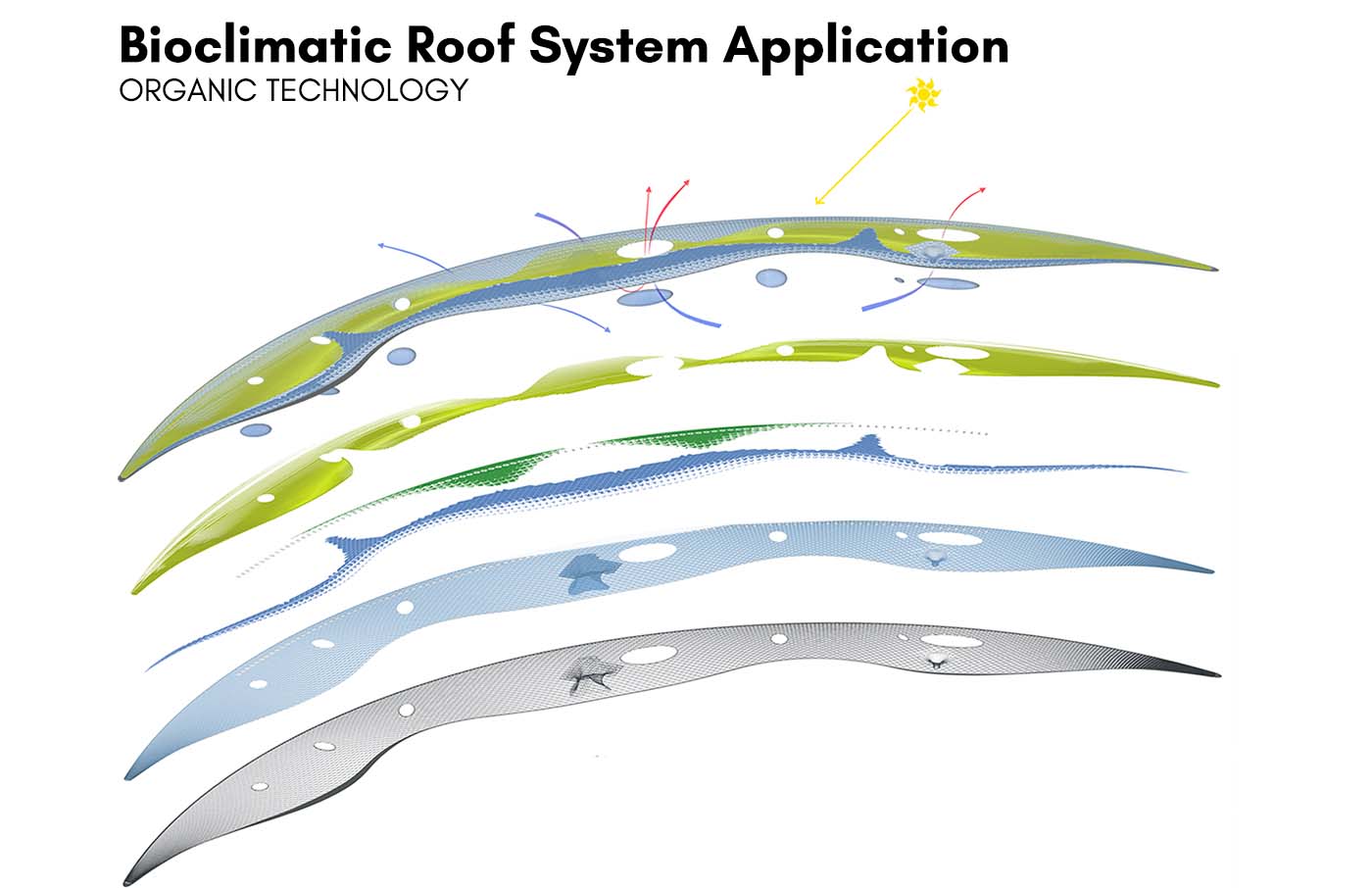
Inspired by the canopy of the Amazon rainforest, the three large bioclimatic shelters covering the perimeter spaces of the system, integrated with photovoltaics, were designed to ensure the climatic balance of the underlying areas by reducing their energy needs, optimizing their light and liveability in any environmental and climatic context.
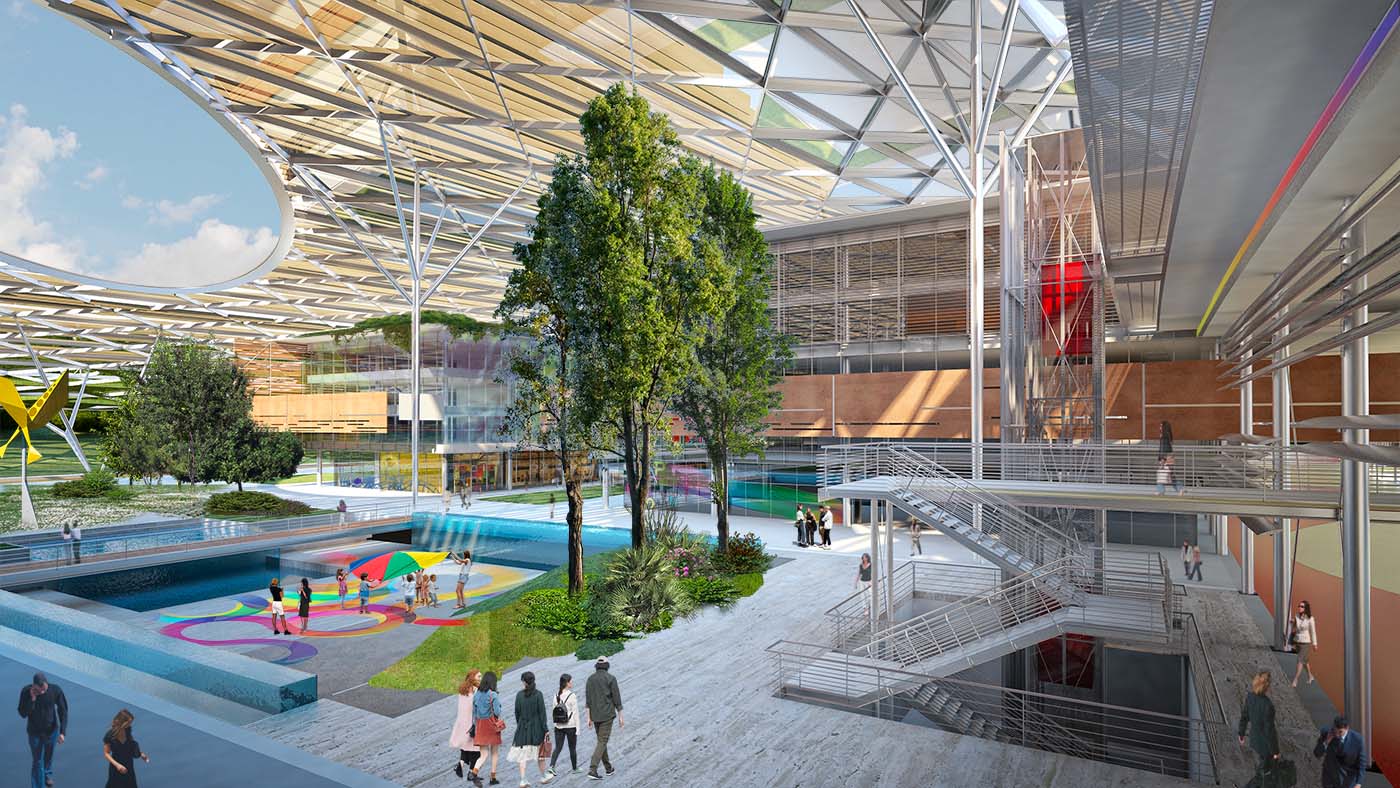

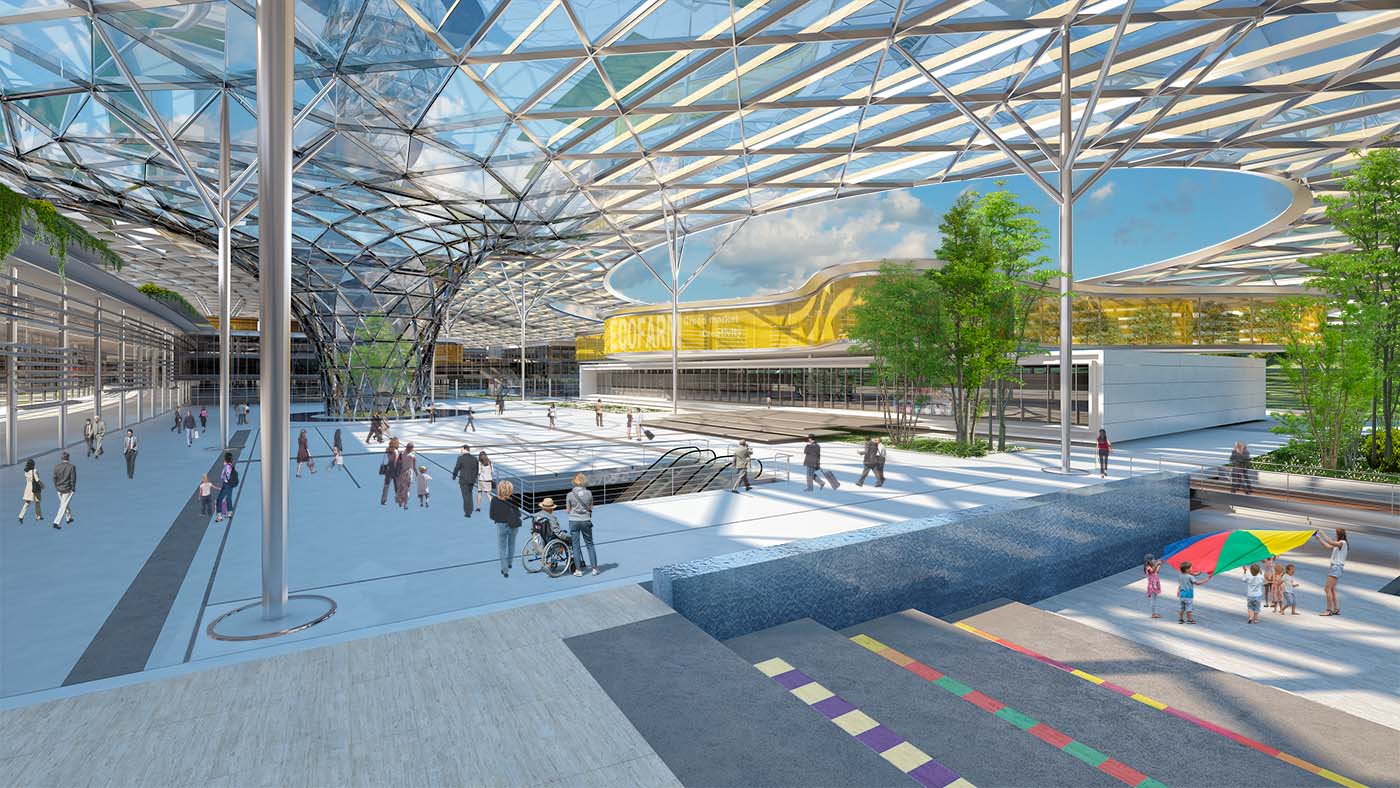
Eco City System Goals
This concept has been tackled providing specific answers to the following goals:
- Optimize the energy efficiency of the urban structure
- Optimize the energy efficiency in the Energy supply
- Minimize the Energy requirements of the building
- Make sustainable all the stages of the construction process/building
- Maximize FER for the transport system
- Plan a transport system with low consumption of primary Energy
- Plan an intermodal mobility (Minimize transport needs and optimize transport systems)
- Limit waste production and exploit them energetically waste recycling
- Reduce water consumption
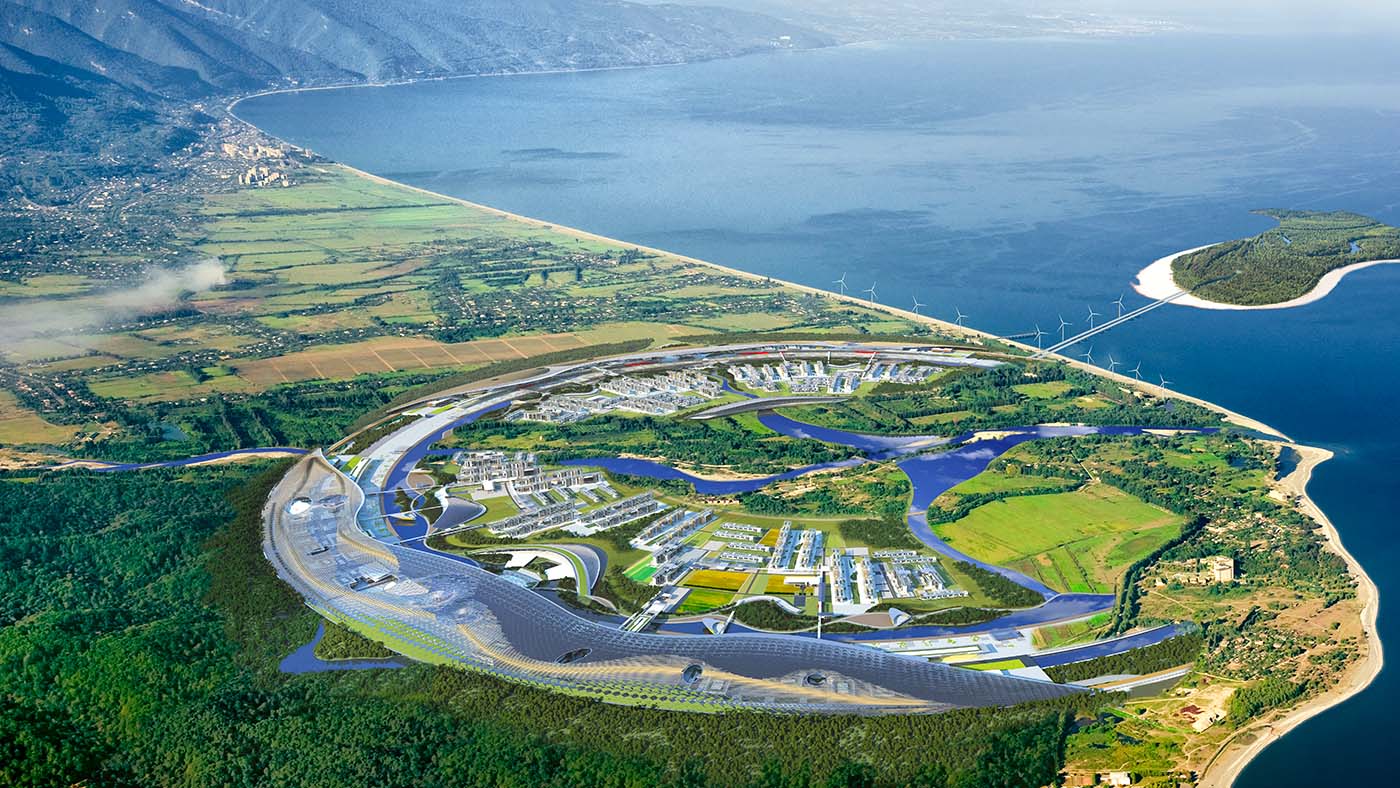
Eco City energy data
The system exploits renewable energy and recycling technologies to satisfy 60% – 100% of Energy demand, depending on the technologies implemented and on the environmental and climatic characteristics of the site, with a CO2 reduction of over 90,000 tons/year.
Green forests and farmlands complete the self-sufficiency and self-production of the city.
Woods alone produce 830 tons of oxygen that are equivalent to 27 kilos of oxygen per each of the 30,000 residents.
The 42 hectares of food crops satisfy 30% of the food demand of the residents.